How Often Should Norman Dogs Get Groomed After a Record-Hot August?
After Oklahoma’s record-hot August, Norman dog owners should reset grooming schedules. Learn when to book a de-shed vs. a shave, how often local coats need care, and what to ask a Norman groomer before fall fleas and ticks pick up.
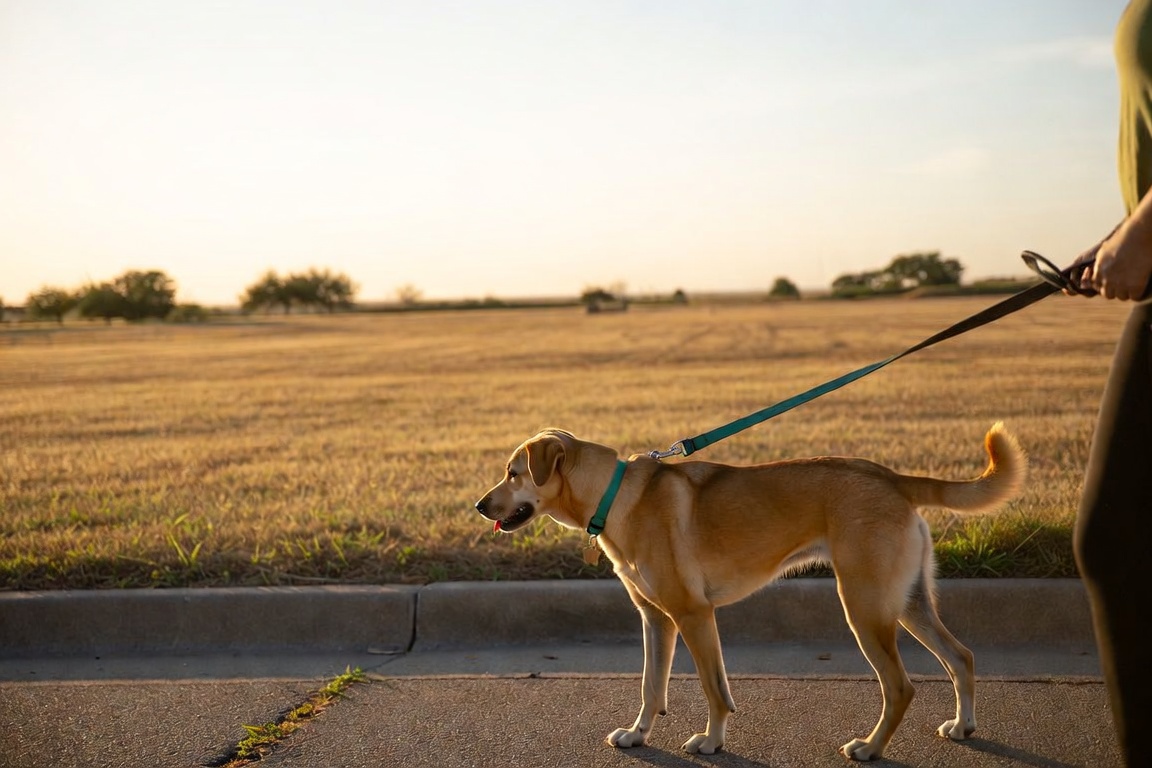
Oklahoma just wrapped one of its hottest, driest stretches on record, and Norman dogs felt every degree of it. Oklahoma City’s August average high of 101.6 degrees ranked among the city’s hottest months ever, and the same heat sat over Cleveland County yards, sidewalks, and walking paths. If your dog spent the last several weeks panting on walks, dragging through Burr Park grass, or coming inside with a dusty, matted coat, this is the moment to reset their grooming schedule—not wait until the first cool front.
The biggest late-summer question local owners ask is whether a full shave will keep a dog cooler. For many double-coated breeds common in Norman—Golden Retrievers, Huskies, German Shepherds, Corgis, and mixed farm dogs—the answer is usually no. That undercoat is insulation. When it is packed with dead hair and mats, heat gets trapped against the skin. When it is shaved to the skin, the dog can sunburn and the coat can grow back uneven. The better late-summer move is a thorough de-shed, a sanitary tidy, paw-pad trimming, and a professional bath that actually dries the coat all the way down. Curly and doodle coats are a different story. They trap Oklahoma humidity and lake water after a swim at Lake Thunderbird, so many of those dogs do better on a 4- to 6-week trim cycle through September.
That comfort-first approach is what longtime Norman shops already sell as their standard. Steve's All Breed Grooming And Pet Salon puts it plainly: “Our grooming is dedicated to the comfort and health as well as the beauty of your dog.” After a month of triple-digit days, that order matters. Heat, dust, and leftover undercoat are not a styling problem first. They are a skin problem. A groomer who checks ears, nails, paws, and hot spots while they work can catch issues a quick backyard hose-down will miss.
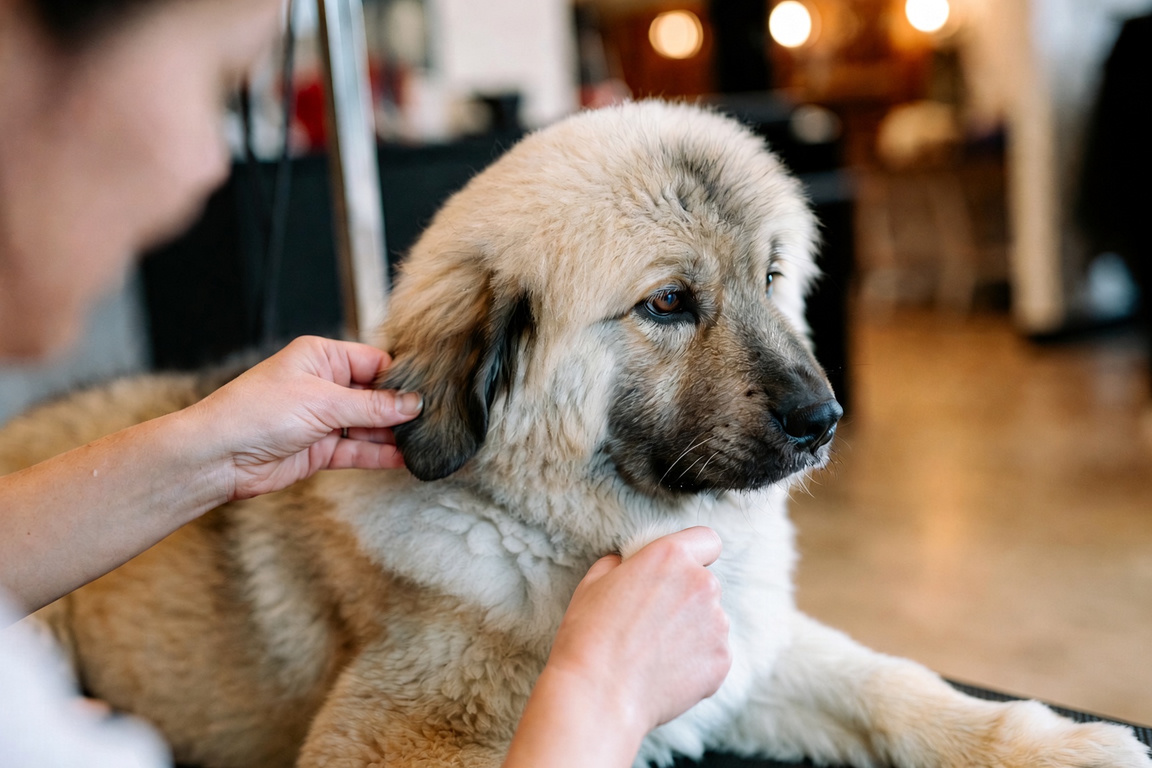
A groomer checks a double-coated dog’s ears and coat instead of reaching for a close shave, the comfort-first approach Norman shops recommend after extreme heat.
How often you should book depends on coat type and how your dog spent the summer. Short-coated dogs that mostly stay indoors can often wait 6 to 8 weeks between full visits, with a bath and nail trim in between if they are dusty. Medium and long coats usually need 4 to 6 weeks. Double coats benefit from a de-shed now, before fall hair starts stacking on top of summer undercoat. If your dog swam a lot, rolled in dry grass, or developed mats behind the ears or under the collar, do not stretch the calendar. Mats pull skin, hide fleas, and hold moisture. Oklahoma flea and tick pressure does not shut off when school starts. Tick activity in the state typically runs from spring into fall, and fleas look for shade under decks and in flower beds once the sun stays brutal.
If getting across town in the heat is part of the problem, Norman now has more than one way to get the same work done. Walt's Perfect Pups offers mobile grooming, which is useful when a full haircut is not due but a deep bath is. Walt has said his goal is “to provide the kind of grooming experience I’d want for my own dogs.” That is a good test for any shop you call this month: will they talk through coat type before they pick up clippers, or default to a close shave because it is faster?
Before you book, ask three local questions. First, does the salon recommend a de-shed or a shave for your specific breed? Second, how do they dry double coats so moisture is not left against the skin? Third, can they work your dog in before the next heat spike, or is the wait already two weeks out? Popular Norman groomers fill up fast after extreme weather because everyone notices the same dusty, overgrown coats at once. Use our ranked list of Norman dog groomers to compare in-salon, mobile, and veterinary grooming options, then lock a date while the coat is still manageable. A cooler September helps people. A clean, unmatted coat is what actually helps the dog.
Sources